

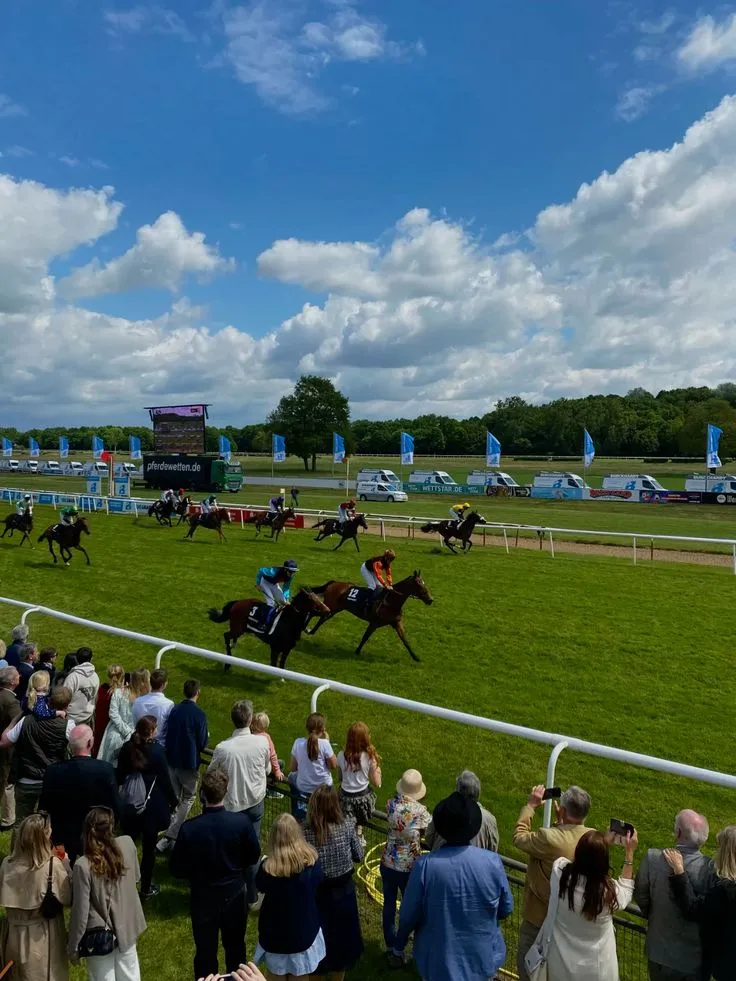
Horse-racing form is more useful when the conditions behind each result are understood. A horse that performs strongly over one distance or surface may face a very different test in its next start. Someone researching Best Online Gambling Malaysia options may therefore benefit from looking beyond recent finishing positions and considering distance, going, draw, carried weight, and race class together. None of these factors guarantees a winner, but they help explain why form can improve or weaken when the setup of the next race changes.
Distance Changes the Physical Test
Sprint races place greater emphasis on early speed and rapid acceleration, while longer races require more efficient energy use and stamina. A horse that looks dominant over a short trip may not reproduce the same performance when asked to cover substantially more ground.
Previous results become more meaningful when they are compared over similar distances. A move up or down in trip can change pace, positioning, and the point at which a jockey asks the horse for its strongest effort.
Going Can Alter Performance
Track condition, often described as the going, influences how easily horses move across the surface. Firm ground can produce a different race from soft or rain-affected conditions, and individual horses may show clear preferences.
Past form on similar going provides context, but it should not be treated as certainty. Weather can change close to race time, and two tracks carrying the same general description may still behave differently because of drainage, maintenance, and local characteristics.
The Draw Needs Course Context
The starting draw determines the stall position assigned to a runner. Its effect depends on field size, race distance, track shape, and the location of the first turn.
An inside draw can be useful on some courses, while a wider position may be less important elsewhere. Someone reviewing racing information through OK88 should therefore avoid treating low or high stall numbers as automatically favorable. The layout of the specific course is what gives the draw its meaning.
Carried Weight Adds Another Variable
In handicap races, runners can carry different assigned weights as part of the race conditions. Higher-rated horses may be asked to carry more in an effort to create a more competitive field.
Weight should be considered alongside distance, going, and previous performances rather than in isolation. A horse that has already performed well under a similar burden may offer more useful evidence than a simple comparison of kilograms or pounds between runners.
Race Class Changes the Opposition
Finishing position alone does not reveal the strength of the field. Winning against modest opposition is different from competing well against stronger, higher-rated runners.
A horse moving up in class can face a more demanding contest even after a recent victory. Conversely, a runner dropping into easier company may meet less challenging opposition. Class helps explain why two horses with similar recent finishing records may still have very different levels of form.
Pace Can Reshape the Race
Expected pace influences which running styles are likely to receive suitable conditions. A front-runner may benefit when no rival challenges for the lead, while a strong closer may prefer a faster early tempo that causes leaders to tire late.
Pace is difficult to predict perfectly because jockey decisions can change after the start. Still, identifying likely leaders and hold-up runners can provide more context than judging the field only by previous finishing positions.
Field Size Affects Positioning
Large fields can create traffic, wider turns, and greater competition for a favorable position. Smaller fields can provide cleaner runs but may also produce unusual tactical races if few horses want to lead.
This means a horse can encounter very different circumstances in two races over the same distance. Field size becomes most useful when considered together with draw, running style, and the expected pace of the contest.
Conclusion
Horse-racing form becomes clearer when the conditions behind each performance are examined. Distance changes the physical test, going affects the racing surface, draw influences early positioning, carried weight matters in handicaps, and race class determines the strength of opposition. Pace and field size add further context.
No single factor can identify the winner with certainty. The better approach is to compare several relevant conditions and ask whether the upcoming race resembles situations in which the horse has already performed well, while keeping any betting within a fixed entertainment budget.